
Flowtec Valves: Everything Engineers & Buyers Need to Know
March 12, 2026 2026-03-20 13:52 Cottage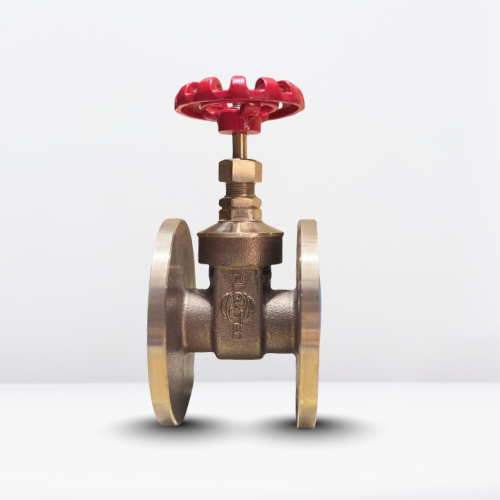
Flowtec Valves: Everything Engineers & Buyers Need to Know
Flowtec Valves are the backbone of modern industrial pipeline systems. Whether industries are transporting water, chemicals, oil, gas, or steam, efficient flow control is absolutely essential.
Without reliable valves, pipelines quickly struggle with pressure fluctuations, leakage, backflow, and operational inefficiencies. As a result, systems risk downtime, increased maintenance costs, and reduced overall performance.
Therefore, selecting the right Flow Valves is not just a technical choice—it is a critical operational decision that directly affects safety, efficiency, and system longevity.
Moreover, different industries require different valve designs. For example:
- Oil & gas pipelines demand high-pressure resistant valves
- Chemical plants require corrosion-resistant valves
- Water treatment facilities rely on precise flow regulation
Because of these varying requirements, several types of Flowtec Valves are used in industrial pipelines.
So, let’s explore the 7 most important Flow Valves that keep industrial fluid systems running smoothly.
1. Ball Valves
Among all industrial valves, Flowtec ball valves are arguably the most widely used. In fact, they have become a staple in many industries due to their reliability and efficiency.
Specifically, they operate using a rotating ball with a central hole. As the ball turns, it either allows fluid to flow freely or stops it completely, providing fast and precise control over the pipeline system. When the hole aligns with the pipeline, fluid flows freely. However, when the ball rotates 90 degrees, the flow stops instantly.
Because of this simple mechanism, ball valves deliver fast, reliable, and leak-proof performance.
Why industries prefer Ball Valves
- Quick quarter-turn operation
- Extremely tight sealing capability
- Low maintenance requirements
- Excellent performance in high-pressure systems
- Long service life
Consequently, these valves are widely used in:
- Oil and gas pipelines
- Water distribution systems
- Industrial fluid transfer lines
- Chemical processing plants
Simply put, when industries need fast and dependable shut-off control, ball valves are often the first choice.
2. Gate Valves
Next, we have Flowtec Gate Valves, which are specifically designed for on-off flow control rather than regulation.
Instead of using a rotating component, gate valves operate using a vertical gate or wedge that moves up and down.
When the gate lifts, the pipeline opens completely. Conversely, when it lowers, the flow stops entirely.
Because of this design, gate valves allow straight, unrestricted flow.
Key advantages of Gate Valves
- Minimal pressure drop
- Ideal for large pipelines
- Strong durability under heavy loads
- Reliable isolation of pipeline sections
For this reason, gate valves are commonly used in:
- Water supply infrastructure
- Oil refineries
- Power generation facilities
- Industrial manufacturing plants
In short, whenever industries require full flow or complete shutdown, gate valves perform exceptionally well.
3. Butterfly Valves
Moving forward, Flow butterfly valves are extremely popular in large diameter pipeline systems. In fact, many industries prefer them because they are compact, efficient, and easy to operate.
Moreover, these valves use a rotating disc positioned in the center of the pipe. As the disc rotates, it either allows the fluid to pass through or restricts the flow, thereby helping industries regulate pipeline operations more effectively. As the disc turns, it either allows or restricts fluid flow.
Compared to many other valves, butterfly valves are significantly lighter and more compact.
Major benefits of Flowtec Valves Butterfly
- Lightweight and space-saving design
- Faster installation process
- Lower operational costs
- Efficient flow regulation
- Suitable for large pipeline networks
Because of these advantages, butterfly valves are frequently used in:
- Water treatment plants
- HVAC systems
- Fire protection pipelines
- Food processing industries
Therefore, they are often the go-to solution for large scale fluid systems.
4. Flowtec Check Valves
In many pipeline systems, backflow can cause serious damage to equipment and processes.
This is exactly where flowtec Check Valves become extremely valuable.
Unlike most valves, check valves operate automatically. They allow fluid to flow in one direction while preventing reverse flow.
This simple mechanism protects critical components such as pumps, compressors, and filtration systems.
Key reasons industries use Flowtec Check Valves
- Prevents reverse fluid movement
- Protects pipeline equipment
- Reduces system damage risks
- Operates without manual intervention
- Improves overall pipeline safety
As a result, check valves are commonly installed in:
- Pumping stations
- Water supply pipelines
- Chemical processing systems
- Industrial fluid transfer networks
Essentially, they act as a safety shield for pipeline systems.
5. Flowtec Globe Valves
When precise flow control is required, Flow Tech Globe Valves become extremely useful.
Unlike valves that only open or close the flow, operators use globe valves to carefully regulate fluid movement.
They achieve this through a plug and seat mechanism, which makes gradual adjustments possible.
Key strengths of Flowtec Globe Valves
- Accurate flow regulation
- Excellent throttling capability
- Reliable pressure control
- Suitable for frequent adjustments
Therefore, globe valves are widely used in:
- Steam control systems
- Power plants
- Chemical manufacturing
- Industrial cooling systems
Although they create slightly higher resistance, they provide exceptional flow control precision.
6. Plug Valves
Another highly efficient valve type is the Flowtec Plug Valve.
These valves use a cylindrical or tapered plug that rotates inside the valve body to control fluid flow.
Because of their simple design, plug valves offer quick operation and strong durability.
Key advantages of Flowtec Plug Valves
- Smooth quarter-turn operation
- Strong corrosion resistance
- Simple internal structure
- Low maintenance requirements
- Reliable sealing performance
Consequently, plug valves are frequently used in:
- Gas pipeline systems
- Chemical processing plants
- Industrial fluid transport systems
In demanding environments, they provide dependable long-term performance.
7. Diaphragm Valves
Finally, Flow Diaphragm Valves are specifically designed for industries where cleanliness and contamination control are essential.
These valves use a flexible diaphragm to regulate fluid flow.
The diaphragm acts as a barrier between the fluid and the valve mechanism. Because of this separation, contamination risks are greatly reduced.
Major benefits of Diaphragm Valves
- High hygiene standards
- Excellent corrosion resistance
- Leak-proof design
- Ideal for sensitive industrial environments
For this reason, diaphragm valves are commonly used in:
- Pharmaceutical manufacturing
- Food and beverage processing
- Biotechnology industries
- Water purification systems
Therefore, they are essential wherever clean and sterile pipeline operations are required.
Why Flowtec Valves Are Essential for Industrial Pipelines
Industrial pipeline systems operate under extreme pressure, temperature variations, and continuous fluid movement.
Without reliable valves, these systems would struggle to maintain stability.
High-quality Flow Valves help industries:
- Control fluid movement efficiently
- Prevent leaks and pressure loss
- Improve operational safety
- Extend pipeline lifespan
- Reduce maintenance costs
- Increase overall system reliability
In other words, they are critical components that ensure smooth industrial operations.
Final Thoughts
In today’s industrial world, industries rely heavily on efficient fluid control to maintain smooth and uninterrupted operations. Therefore, they use Flow Valves to manage, regulate, and control fluid flow effectively in industrial pipeline systems.
Moreover, each type of Flowtec Valve serves a unique purpose, depending on the specific requirements of the pipeline system:
- Ball valves provide fast shut-off control, ensuring quick and reliable flow management.
- Gate valves allow unrestricted flow, making them ideal for full-open or full-close operations.
- Butterfly valves support large pipeline systems, offering efficient regulation in wide-diameter pipelines.
- Check valves prevent backflow damage, protecting equipment and maintaining system integrity.
- Globe valves enable precise flow regulation, allowing operators to adjust fluid movement accurately.
- Plug valves offer durable performance, withstanding harsh conditions and heavy use.
- Diaphragm valves maintain hygienic and contamination-free operation, making them perfect for sensitive industrial applications.
Ultimately, choosing the right Flow Valves ensures greater efficiency, safety, and long-term reliability for industrial pipelines.
Frequently Asked Questions (FAQs)
What are Flow Valves used for?
Flow Tech Valves are used to control, regulate, or stop the flow of fluids such as water, oil, gas, steam, and chemicals in industrial pipeline systems.
Which industries commonly use Flow Valves?
Several industries rely heavily on these valves, including:
- Oil and gas industry
- Chemical processing plants
- Water treatment facilities
- Power generation plants
- Manufacturing industries
Which Flow Valve prevents backflow?
Flow Tech Check Valves are specifically designed to prevent reverse flow in pipeline systems.
Which Flow Valve is best for fast shut-off?
Flow Tech Ball Valves are considered ideal for quick shut-off operations because of their simple quarter-turn mechanism.
How do industries choose the right Flow Tech Valves?
Selecting the right valve depends on several factors, including:
- Fluid type
- Pressure levels
- Temperature conditions
- Pipeline size
- Industrial application requirements
Carefully evaluating these factors helps industries choose the most efficient valve solution.
