
JYV Valves: A Complete Guide for Engineers & Buyers
February 27, 2026 2026-04-07 6:12JYV Valves: A Complete Guide for Engineers & Buyers
 newlifesteeltrading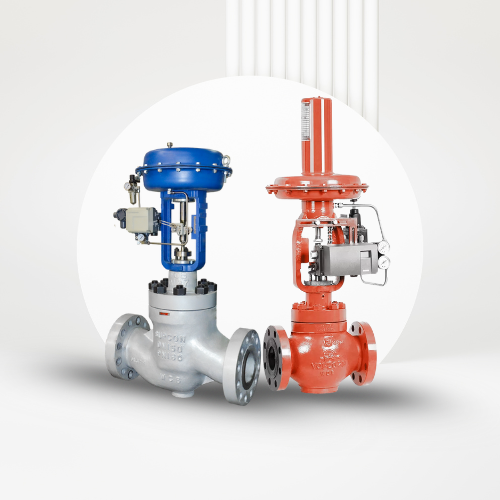
JYV Valves: A Complete Guide for Engineers & Buyers
JYV valves are widely recognized in industrial markets for their durability, precision engineering, and reliable flow control performance. Whether you are an engineer designing a pipeline system or a procurement manager sourcing dependable components, understanding JYV valves is essential. In today’s demanding industrial environments, selecting the right valve is not just important—it is critical for safety, efficiency, and long-term operational success.
In this comprehensive guide, we will explore what high-performance valves are, their types, applications, benefits, and how to choose the right one for your project.
High-Performance Valves: What Are They and Why Do They Matter?
To begin with, manufacturers produce high-performance valves as industrial flow control devices, and moreover, they have built a reputation for delivering reliable valves that industries use in oil & gas, marine, water treatment, HVAC, and general industrial applications.
Essentially, valves regulate, control, or direct the flow of liquids, gases, or steam within a system. However, since not all valves are built the same, high-performance valves stand out because of their:
- Strong construction
- Accurate pressure handling
- Long service life
- Compliance with international standards
- Reliable sealing performance
As a result, industries rely on them for both critical and non-critical operations.
JYV Valves Types and Their Applications
When selecting industrial valves, it is important to understand the different types available. Each type performs a specific function; therefore, choosing the correct one directly improves system efficiency.
1. Butterfly Valves
First of all, butterfly valves are quarter-turn valves used for quick shut-off and flow control. They are lightweight and cost-effective, making them ideal for large-diameter pipelines.
Common applications:
- Water distribution systems
- HVAC systems
- Marine pipelines
2. Check Valves
On the other hand, check valves are designed to allow flow in one direction only. Consequently, they prevent backflow, which can damage pumps and other equipment.
Common applications:
- Pump discharge lines
- Oil & gas pipelines
- Industrial fluid systems
3. Globe Valves
In contrast, engineers primarily use globe valves for throttling and achieving precise flow control. Because of their design, they offer better regulation compared to other valve types.
Common applications:
- Steam systems
- Chemical processing plants
- High-pressure environments
JYV Valves Materials and Construction
Another important factor to consider is material selection. JYV valves are typically manufactured using:
- Stainless Steel (SS) – For corrosion resistance
- Cast Iron (CI) – For strength and durability
- Ductile Iron (DI) – For enhanced flexibility
- Carbon Steel (CS) – For high-pressure applications
Therefore, selecting the right material depends on temperature, pressure rating, and the type of fluid being handled.
JYV Valves Advantages for Engineers
From an engineering perspective, JYV valves offer several technical benefits.
✔ High Pressure Tolerance
They are designed to handle various pressure classes, ensuring safe operation.
✔ Leak-Proof Sealing
Moreover, advanced sealing mechanisms reduce the risk of leakage.
✔ Easy Installation
Because of standardized dimensions, they integrate easily into existing systems.
✔ Low Maintenance
Because manufacturers produce these high-performance valves to exacting standards, they significantly reduce maintenance requirements.
JYV Valves: How Buyers Can Choose the Right One
For buyers and procurement professionals, choosing the correct valve requires careful evaluation. Therefore, consider the following checklist:
- Application Type – Is it water, oil, gas, or steam?
- Pressure Rating – What pressure class is required (e.g., 5K, 10K, 16K)?
- Material Compatibility – Will the material resist corrosion?
- Valve Size – Does it match pipeline diameter?
- Compliance Standards – Does it meet project specifications?
By following these steps, buyers can avoid costly replacements and operational downtime.
Why JYV Valves Are Ideal for Industrial Projects
In demanding industries such as oil & gas and marine sectors, reliability is non-negotiable. Therefore, investing in trusted JYV valves ensures:
- Operational safety
- Reduced downtime
- Improved system efficiency
- Long-term cost savings
Ultimately, the right valve selection directly influences project success.
Conclusion
In summary, JYV valves provide dependable flow control solutions for a wide range of industrial applications. Whether you are an engineer focusing on system performance or a buyer prioritizing quality and cost, you must understand valve types, materials, and specifications, and moreover, this knowledge helps you make informed decisions while ensuring long-term operational efficiency.
By selecting the right JYV valves, you not only enhance operational efficiency but also ensure long-term system reliability.
Frequently Asked Questions (FAQs) About JYV Valves
1. What are JYV valves used for?
JYV valves control, regulate, or stop the flow of liquids and gases in industrial systems, and in particular, industries widely apply them in oil & gas, marine, water treatment, and HVAC applications.
2. Are JYV valves suitable for high-pressure systems?
Yes, manufacturers design many JYV valves to handle various pressure ratings, which makes them suitable for high-pressure industrial environments.
3. Which materials do manufacturers commonly use in high-performance valves?
Manufacturers commonly make them from stainless steel, ductile iron, cast iron, and carbon steel, depending on application requirements.
4. How do I choose the correct JYV valve size?
You should match the valve size to your pipeline diameter and ensure it meets the required pressure and temperature specifications.
5. Why do industries prefer JYV valves in marine and oil applications?
Because of their durability, corrosion resistance, and reliable sealing performance, they are ideal for harsh operating conditions.
